


















Cosmetic Product Photographer in Los Angeles
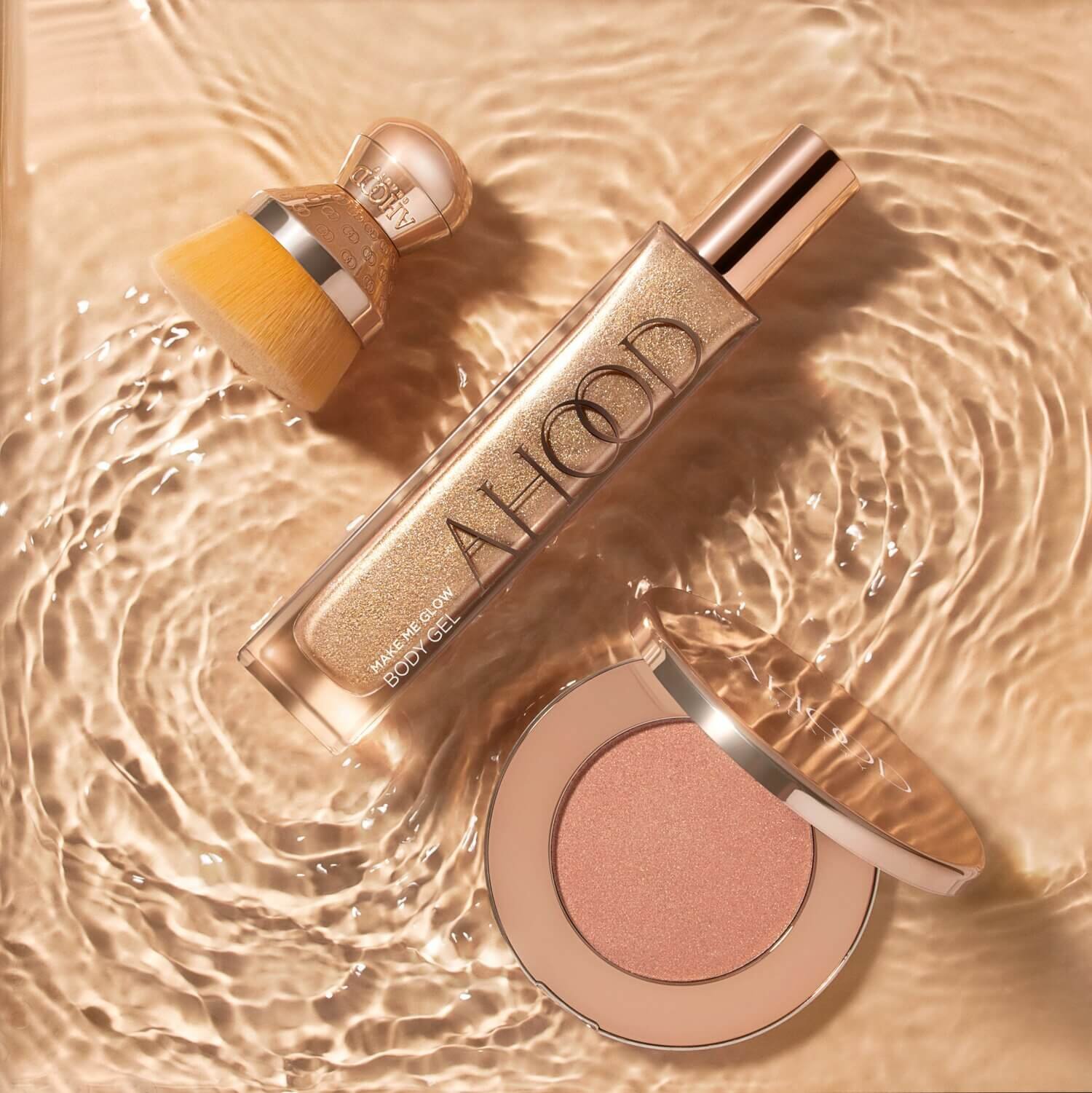
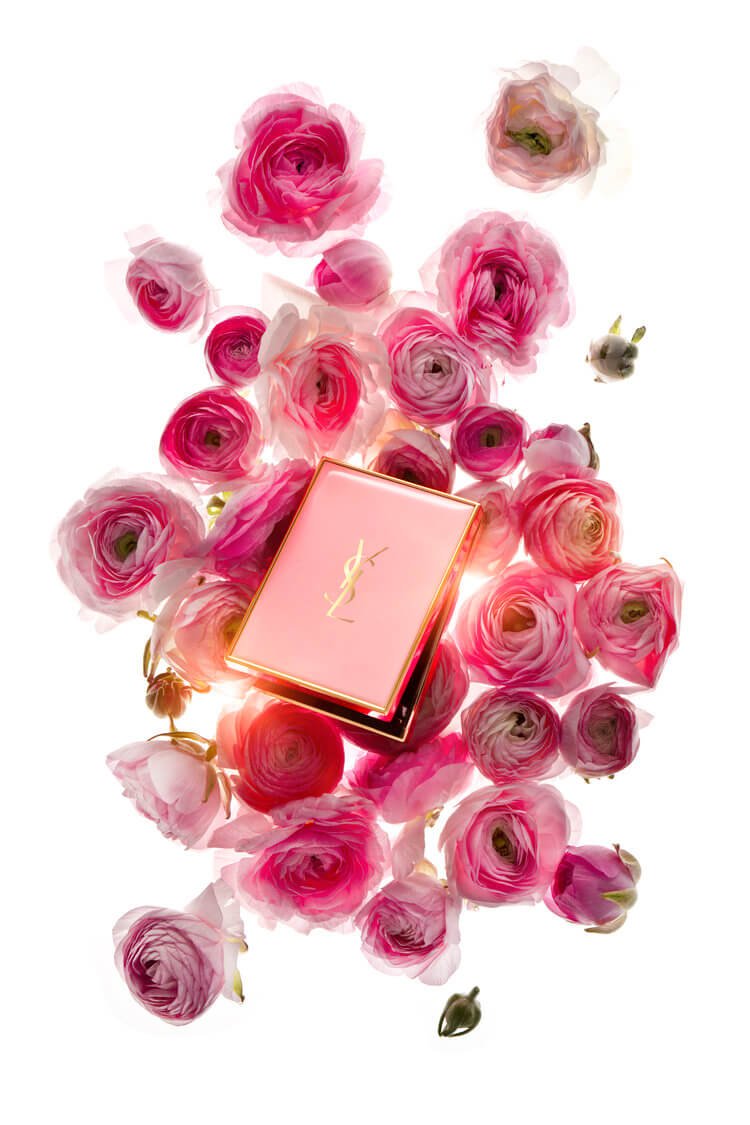
At my Los Angeles studio, I work as a product photographer for beauty and skincare brands. I create product photography that brings packaging, texture, and color to life, so your products look elevated and enticing.
Product photography focuses on the product itself. With thoughtful lighting, clean composition, and intentional styling, we highlight what makes your formula and packaging unique—without clutter or distraction.
For beauty brands, these images often become the foundation of a visual library. Strong product photos support your website, ecommerce listings, digital ads, email campaigns, and social media. The right still life images can shift how your brand is seen at a glance.
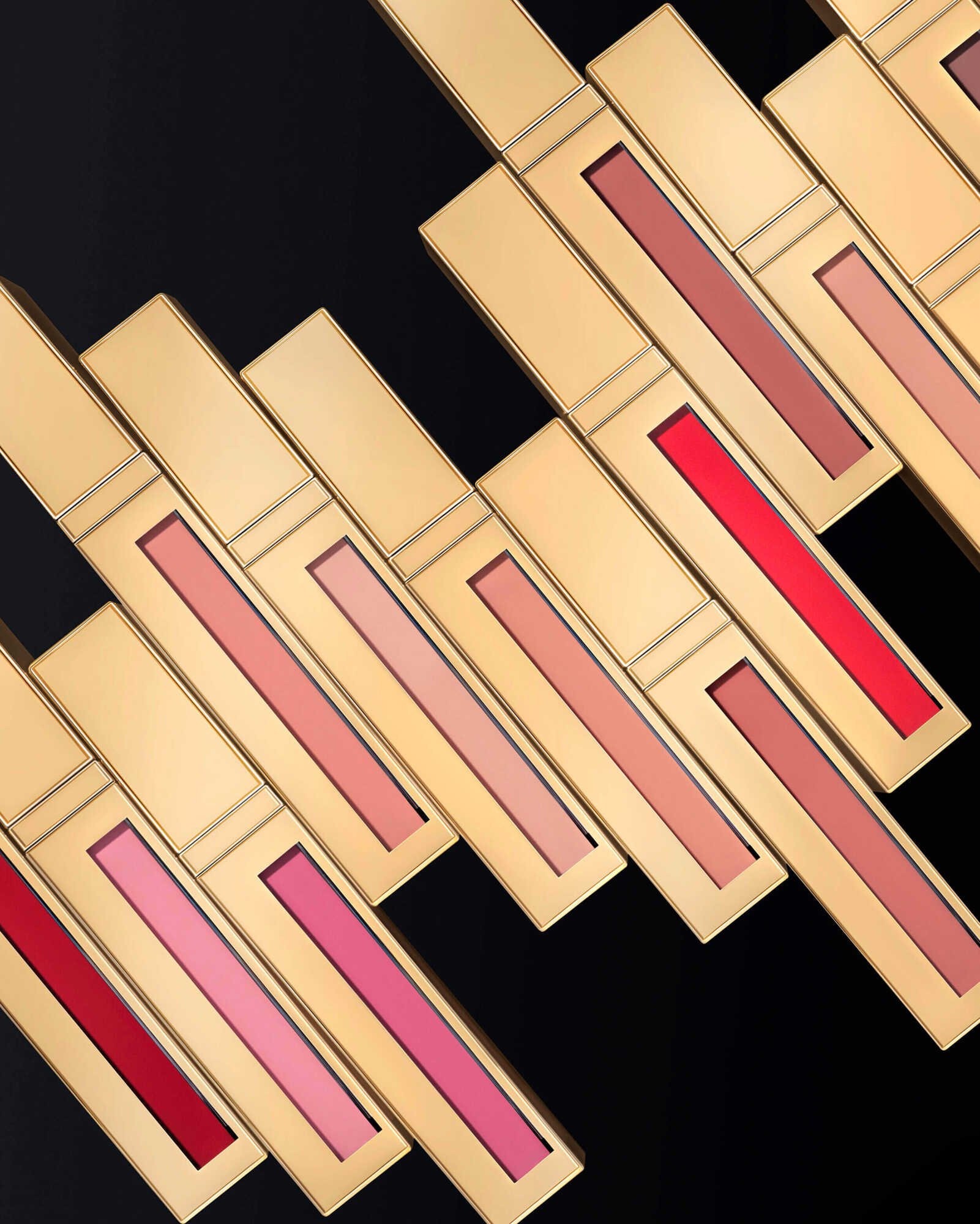
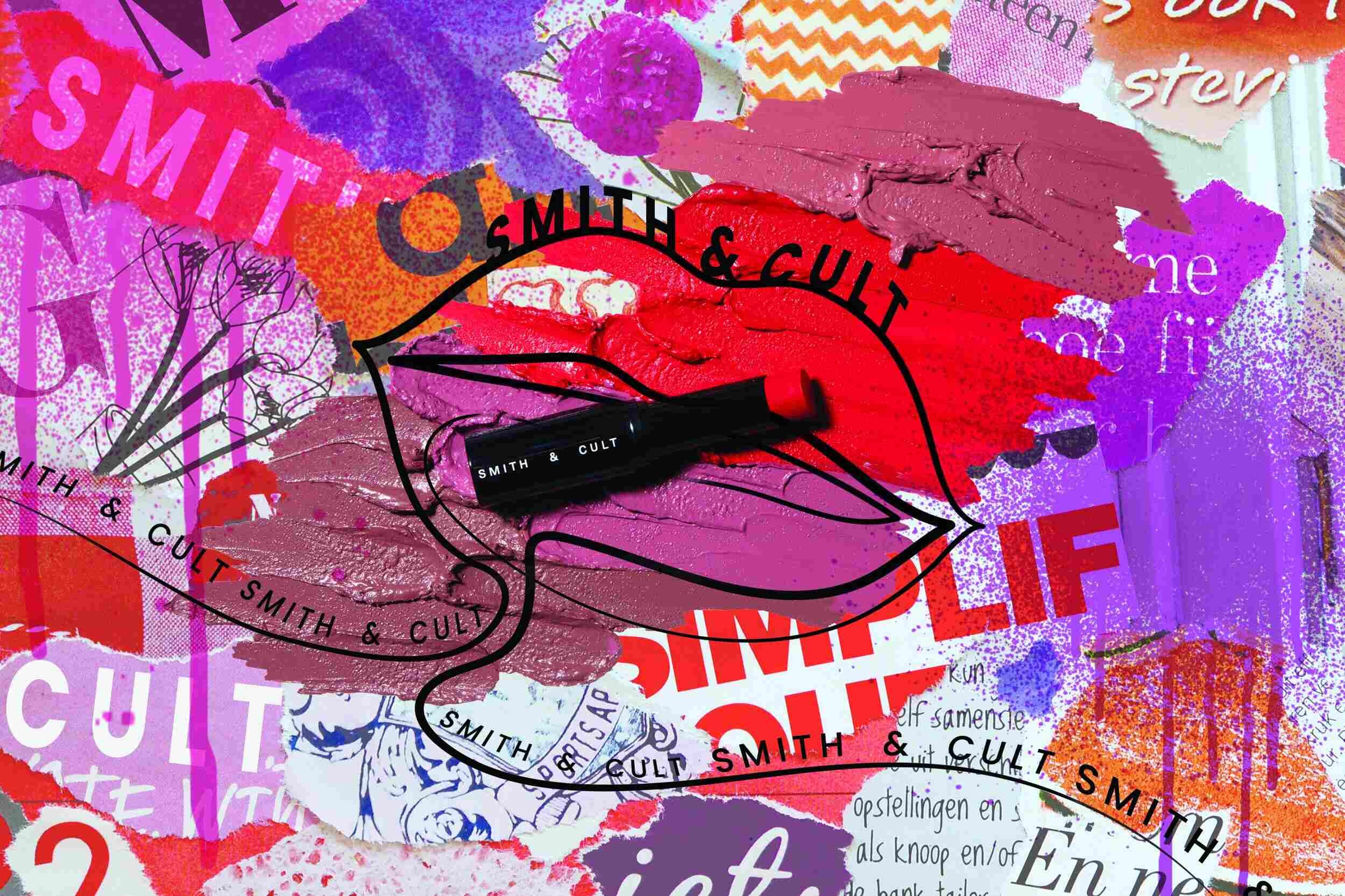
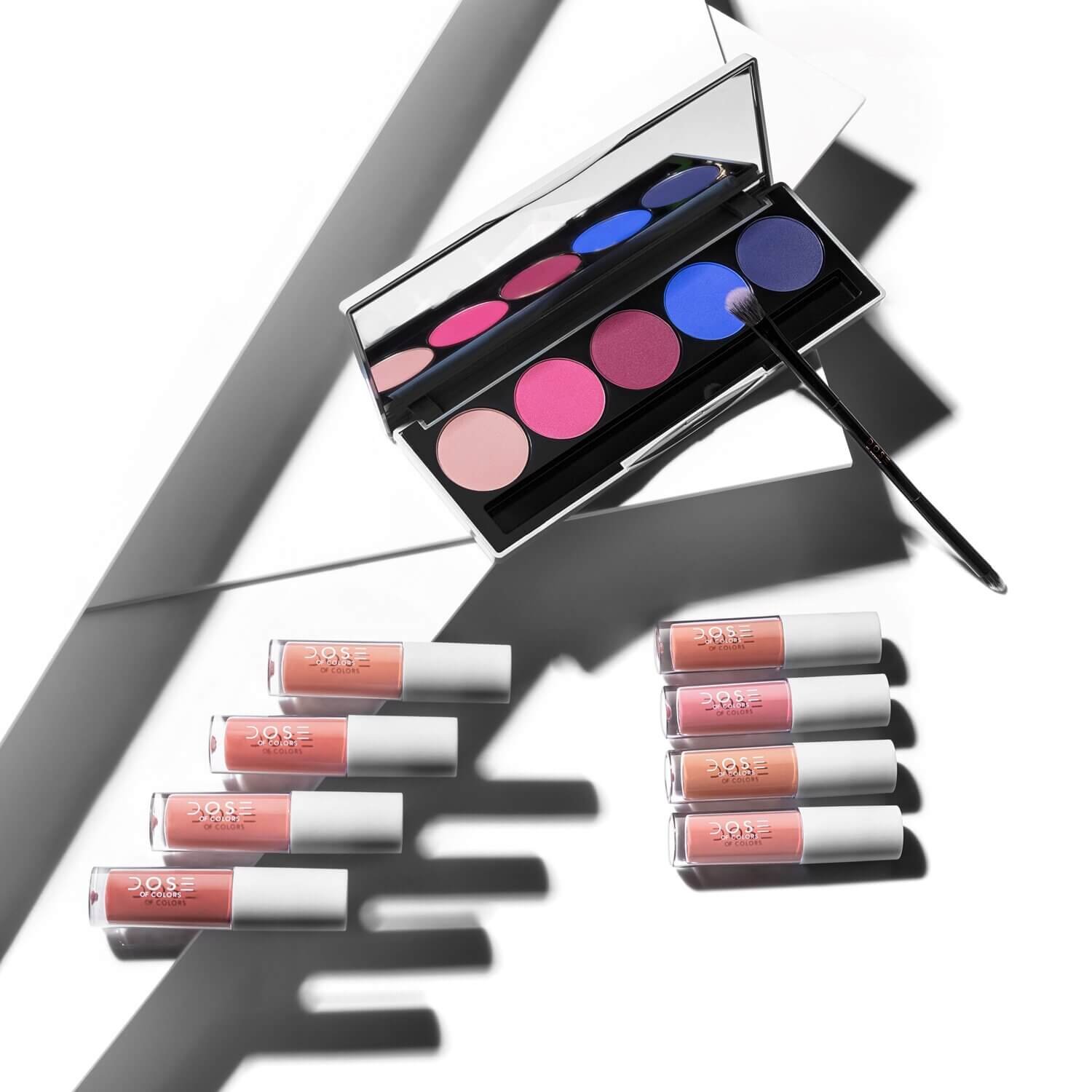
Some shoots are minimal, with a single hero product and soft light. Others are more playful, with color, props, and ./:sculptural elements that give your products a sense of personality. As a product photographer, I tailor the approach to your brand’s aesthetic—sleek and modern, soft and luminous, or bold and graphic.
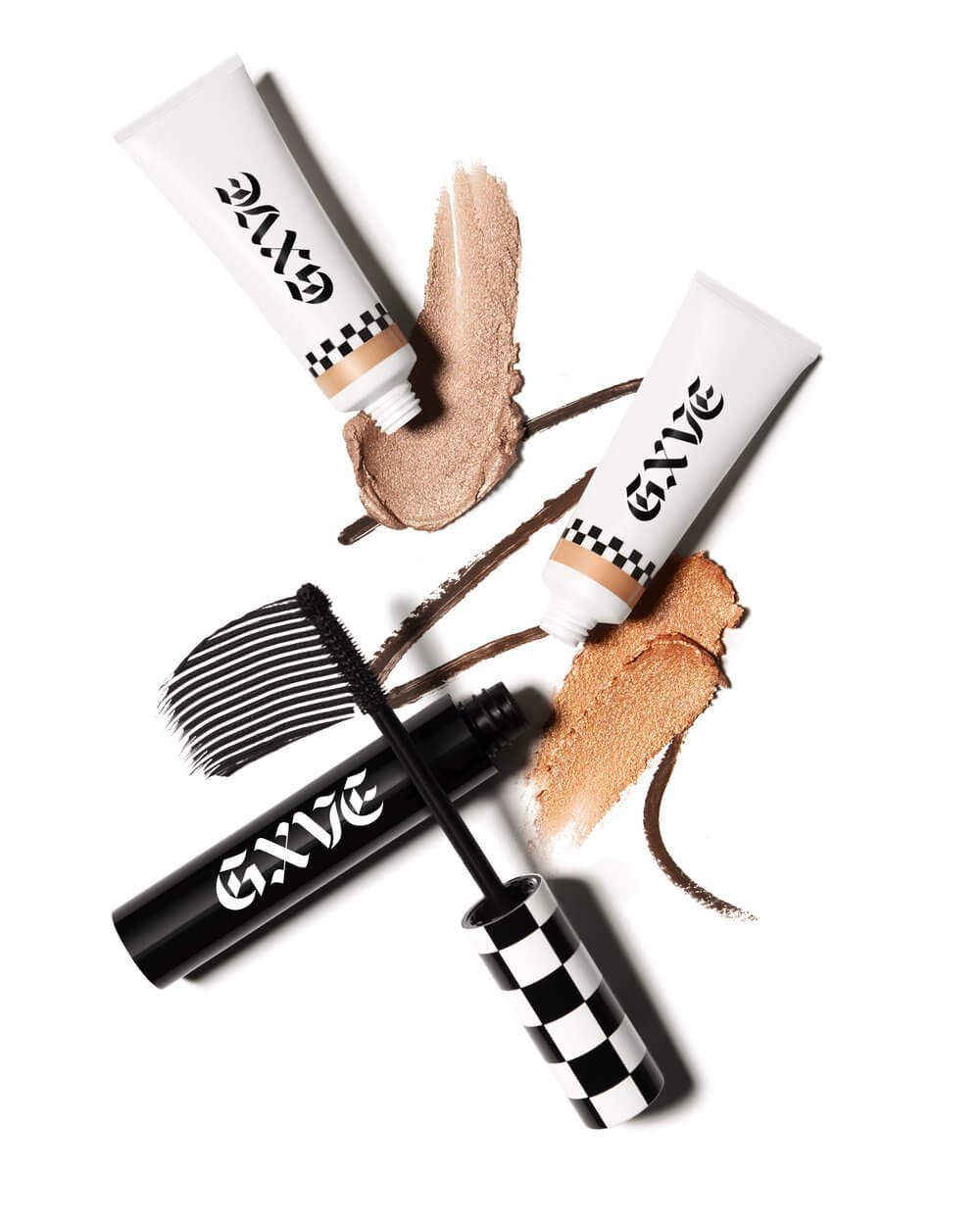
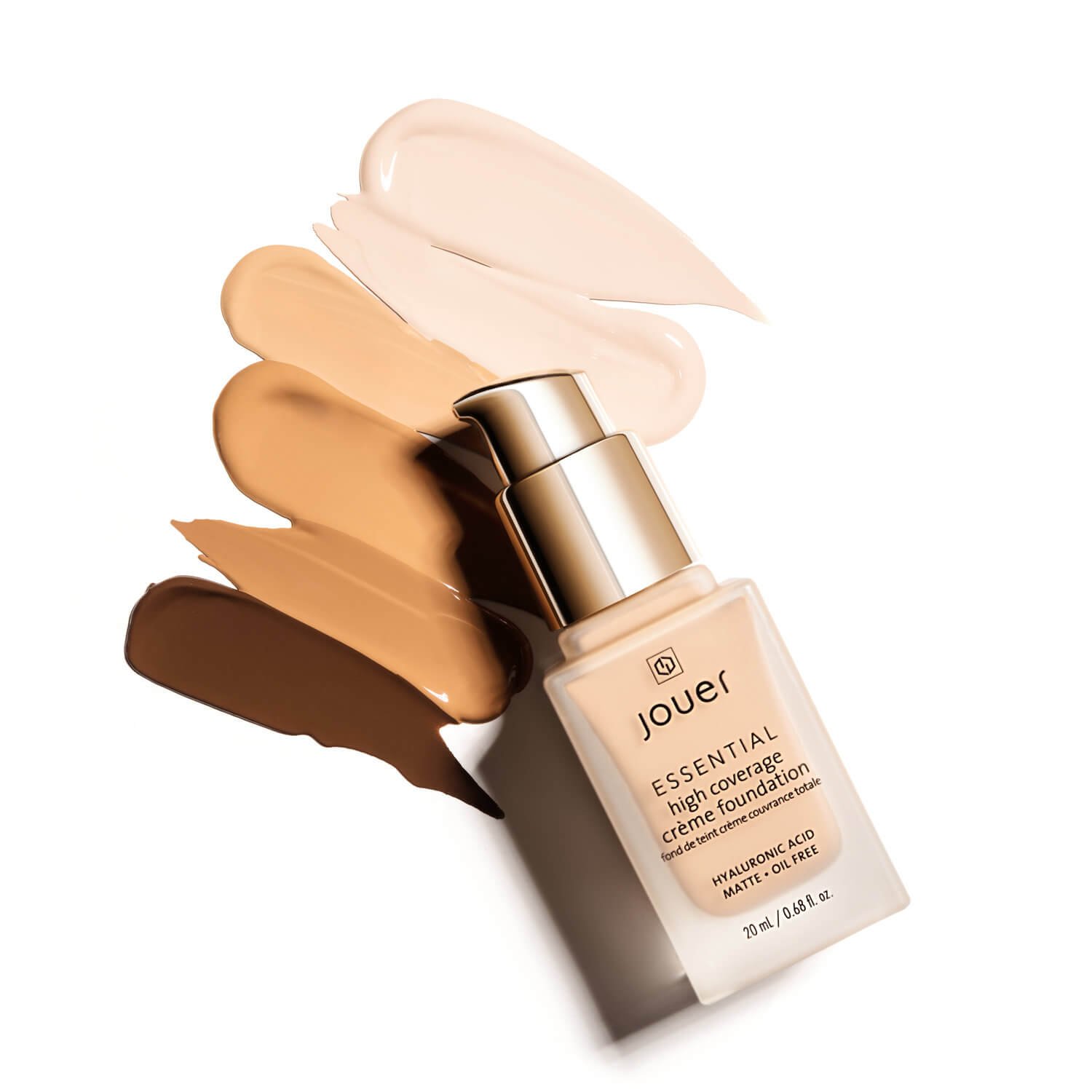
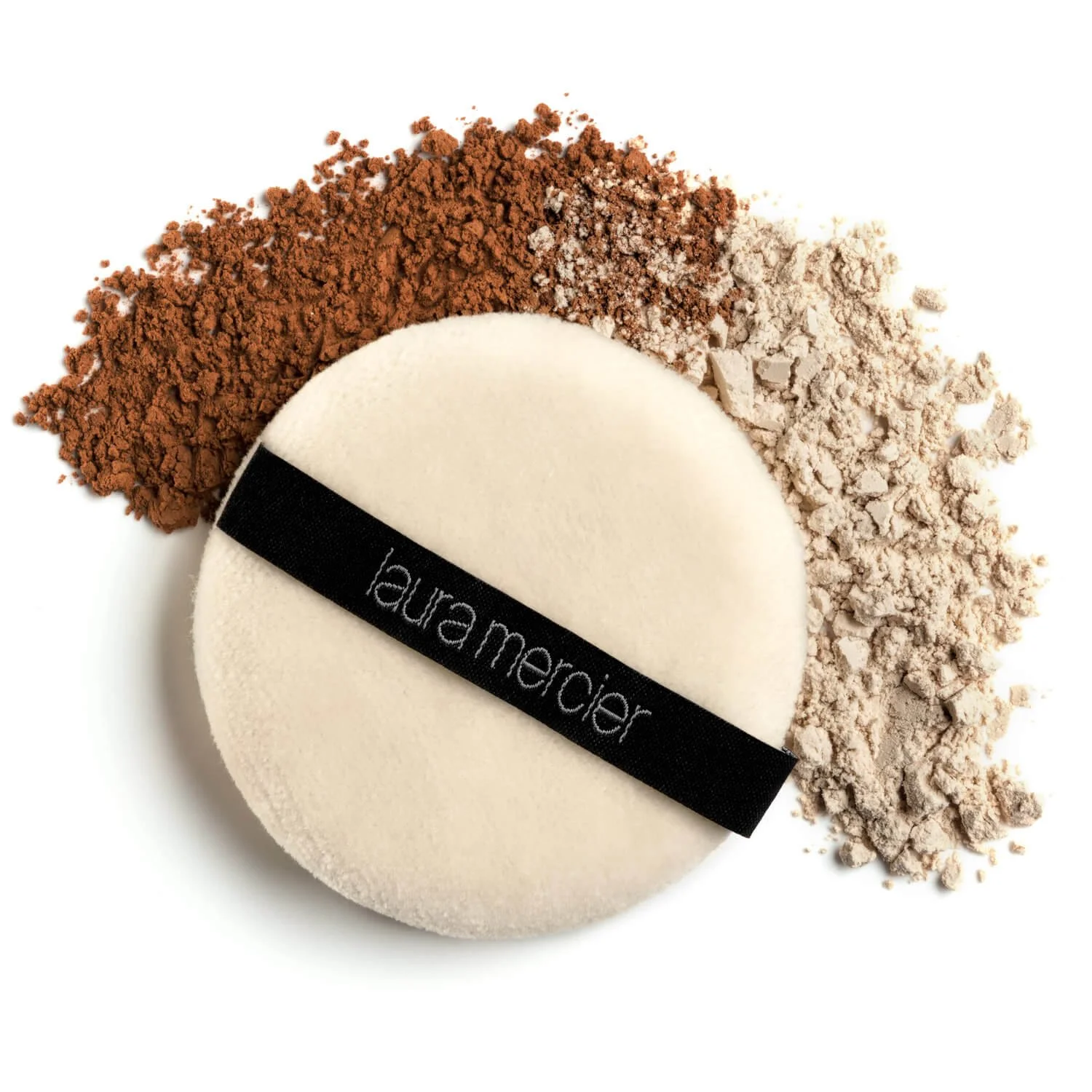
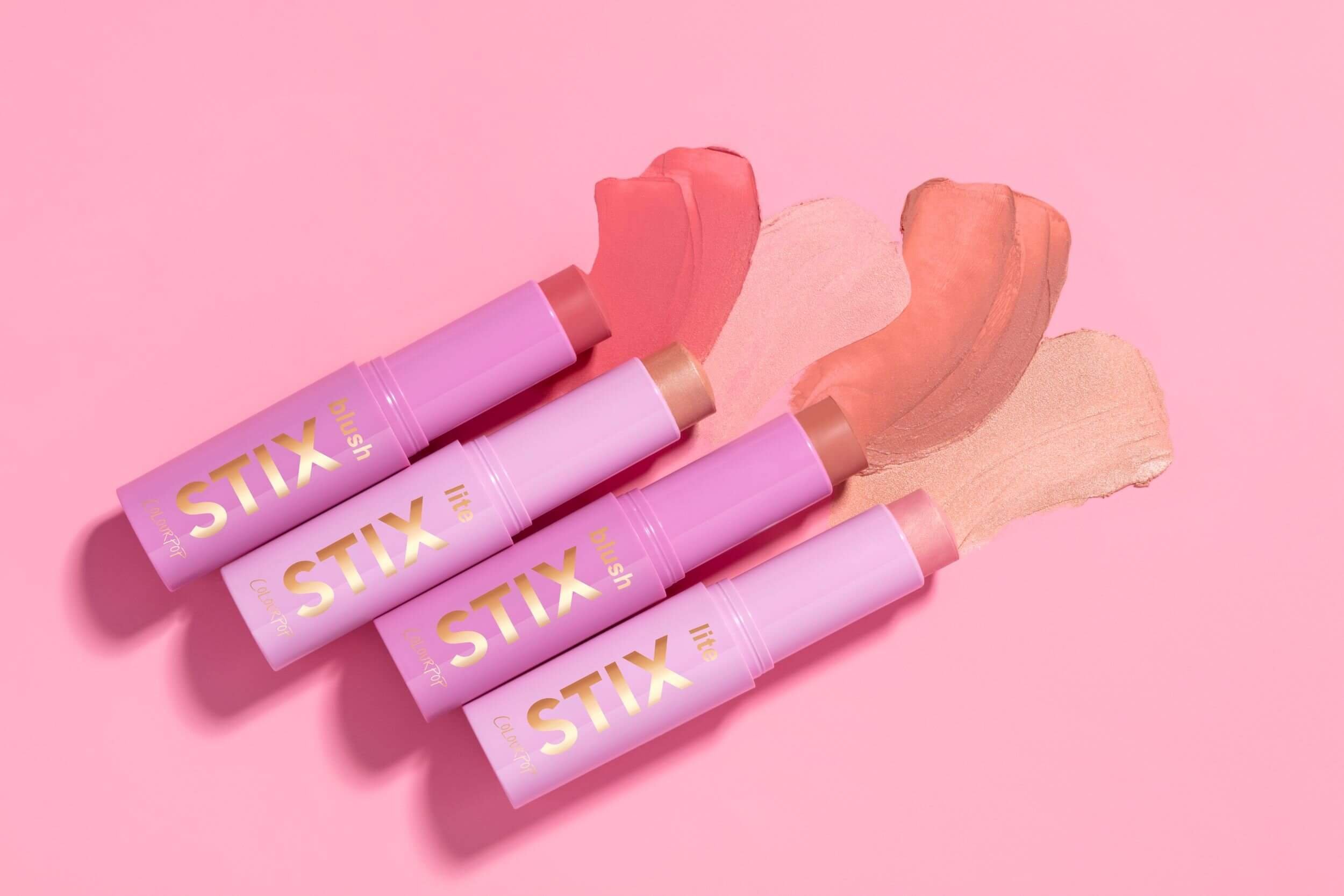
Because beauty products are so tactile, texture matters. Creams, gels, oils, and powders are photographed to show their glow and consistency, helping customers imagine how they feel on the skin.
-
Cosmetic product photography is photography of makeup products themselves: the packaging, the open product, the applicator and the shade, shot to show color, pigment, texture and finish. The product is the star, and the lighting, composition and styling are all there to make the packaging and the formula look their best.
A typical project can include:
Hero shots of the packaging
Open-product views and applicator details
Texture studies and swatches
Campaign still life, with or without motion
Cosmetics are trickier to shoot than they look. Reflective packaging, subtle shades, translucent formulas and mixed finishes all need careful lighting and color management, which is why many brands hire a specialist.
The images then work across your website, retailer pages, digital ads, email and social media. Ecommerce work puts accurate product detail, color and consistent angles first, and often follows retailer specs. Campaign work leaves room for expressive lighting, sets and direction. One production can deliver both, as long as we plan it that way from the start.
The look can flex with your brand. Some shoots are minimal, with one hero product in soft light. Others bring in color, props and sculptural elements. Whether your brand is sleek and modern, soft and luminous, or bold and graphic, we style the shoot to match.
-
There is no universal per-SKU price, because the cost depends on the project. What we can say is how to work it out: effective cost per SKU = agreed project total ÷ number of SKUs covered.
For context, our beauty projects typically range from $10k to $30k, and our photography day rate starts at $6,500. The day rate includes photography and web use in perpetuity. Locations, studio rental, print use, crew, retouching, talent and props are separate line items, and your proposal itemizes the photographer's fee, production expenses, post-production and licensing.
These are the things that move the per-SKU number:
Finished images: how many distinct views and compositions you need, versus simple exports of existing images.
Packaging: glass, metallic finishes, transparent liquids and reflective caps take more care.
Styling and prep: open packaging, dispensed formulas, swatches and props.
Retouching: cleanup, label treatment, color matching and compositing.
Usage rights: channels, territory, length of license and who can use the images.
Production: product only, or talent, location, crew and motion as well.
A styled product day usually produces about 10 to 15 images, depending on how complex the styling is. Adding SKUs doesn't automatically lower the price per SKU, and a lower number that comes from fewer finished images is a change in scope, not a bargain. To compare quotes fairly, ask each photographer to quote the same scope, then divide each total by the same SKU count.
For the full math, read our post on how much a cosmetic photoshoot costs per SKU. Our commercial beauty photography cost guide walks through a real project.
For a custom Estimate Contact US
-
You photograph makeup textures and swatches by showing the formula honestly: real product, applied cleanly, lit to reveal its color payoff, finish and consistency. Powders, creams, gels and pigments each get shot so the shopper can see what they're buying.
Swatches are the product applied to a surface and photographed. A swatch can be a single stroke on one area, or several shades side by side. Swatching on skin, nails or lips shows how a shade looks on a real complexion, and swatches across different skin tones give shoppers more context. Our post on the role of swatch photography covers the thinking.
Accuracy matters here. A misleading swatch can lead to disappointed customers and returns, and lighting and screen settings can still change how a color looks. That's why we manage color carefully from the first test shot to the final file.
On the practical side, we work like this:
We map every SKU, shade and shot type on a shot list before the shoot, then check every product against it.
Swatches go on clean skin patches or acrylic swatch cards, one per pass.
We apply swatches in small batches of three to five and shoot each batch within a few minutes.
If a batch shows a color difference from the rest of the line, we shoot it separately and flag it to you.
Your prep helps too. Please send three of each product, with labels and screen printing checked, and the best packaging you have. For swatch and texture work, send extra product. We clean packaging before the shoot, so tell us about any scuffed caps or crooked labels and we'll keep those units as backups. Our guide to preparing cosmetics for a photography shoot has the full checklist.
If textures and color are your whole story, take a look at our cosmetic still life, texture and swatch photography.
-
Beauty photography focuses on people and the look, while cosmetic product photography focuses on the product: packaging, shades, formulas and textures. The two overlap constantly, and plenty of projects use both.
Think of it this way. A beauty image might show a model wearing a bold lip, and the story is the face and the mood. A cosmetic product image shows the lipstick itself, and the story is the packaging, the shade and the finish. Cosmetic work leans on close-ups of product detail, with clean lines and room to breathe. Beauty work leans on wider frames and the person wearing it.
Many people use the two terms interchangeably, and that's fine in conversation. It matters when you write a brief. If you need to see the product clearly for a retailer page, ask for cosmetic product photography. If you need a face for a campaign, ask for beauty photography. If you need both, tell us, and we'll plan them in one production.
That's how we approached the FEL Beauty KISSYLIPS Sephora launch: styled product photography, tactile still life and playful animations, built into one content library for retail, social and launch-day storytelling. See the FEL Beauty case study and our other cosmetics case studies. We also explain the difference in more depth in our post on cosmetics and beauty product photography.
-
Contact us one to two months before your target shoot date. Casting, custom props or multi-day shoots may need more time. When you reach out, share your preferred shoot date and your final delivery deadline.
-
Tell us about your brand, the products you're shooting, roughly how many final images or videos you need, your creative brief or moodboard, intended usage, budget and delivery date. Include the number of SKUs and shades, and any retailer or platform specs. We'll review the scope and set up a call.
-
Yes. Retailer-ready product photographs, including Sephora-ready images, are among the assets agencies commission from us. Send us the retailer's specs in your brief so we can plan angles, crops and file requirements from the start.
-
We shoot tethered, so you can watch images live and shortlist as we go. Remote viewing works too. After the shoot, we send a Pixieset link so you can make your selects.
-
Retouching averages 7 to 10 days after you make your selects. Faster turnaround is possible with advance notice and an additional fee.
-
Yes. We make GIFs, stop-motion animations and short-form product video, and photo and motion can share one production when the shot list, product prep, styling and schedule are planned in advance. See our beauty video and stop motion pages.
-
Yes. We work with art directors, creative directors and producers, and we can work within an existing concept or contribute treatments. More answers are on our beauty product photography FAQ.
Ready to plan your cosmetics shoot? Send us your brief and we'll come back with a scope and a proposal. You can also explore our wider Los Angeles product photography, or see how we shoot skincare product photography.
Product Photography · Makeup Product Photography · Beauty Campaign Still Life and Motions
I'm a Los Angeles cosmetic product photographer for makeup, skincare and fragrance brands, creating hero shots, textures, swatches and campaign imagery for brands including Urban Decay, bareMinerals, Laura Mercier and Too Faced.
Cosmetic product photography turns a lipstick, a palette or a bottle of foundation into an image that makes someone want to hit "add to cart." We shoot it at our Los Angeles studio for makeup, skincare and fragrance brands and the agencies behind them, including Urban Decay, bareMinerals, Laura Mercier and Too Faced.
This page answers the questions we hear most: what cosmetic product photography is, what it costs per SKU, how we photograph textures and swatches, and how it differs from beauty photography. Pour a coffee, we'll keep it painless.
What is cosmetic product photography?
Cosmetic product photography is photography of makeup products themselves: the packaging, the open product, the applicator and the shade, shot to show color, pigment, texture and finish. The product is the star, and the lighting, composition and styling are all there to make the packaging and the formula look their best.
A typical project can include:
Hero shots of the packaging
Open-product views and applicator details
Texture studies and swatches
Campaign still life, with or without motion
Cosmetics are trickier to shoot than they look. Reflective packaging, subtle shades, translucent formulas and mixed finishes all need careful lighting and color management, which is why many brands hire a specialist.
The images then work across your website, retailer pages, digital ads, email and social media. Ecommerce work puts accurate product detail, color and consistent angles first, and often follows retailer specs. Campaign work leaves room for expressive lighting, sets and direction. One production can deliver both, as long as we plan it that way from the start.
The look can flex with your brand. Some shoots are minimal, with one hero product in soft light. Others bring in color, props and sculptural elements. Whether your brand is sleek and modern, soft and luminous, or bold and graphic, we style the shoot to match.
How much does a cosmetic photoshoot cost per SKU?
There is no universal per-SKU price, because the cost depends on the project. What we can say is how to work it out: effective cost per SKU = agreed project total ÷ number of SKUs covered.
For context, our beauty projects typically range from $10k to $30k, and our photography day rate starts at $6,500. The day rate includes photography and web use in perpetuity. Locations, studio rental, print use, crew, retouching, talent and props are separate line items, and your proposal itemizes the photographer's fee, production expenses, post-production and licensing.
These are the things that move the per-SKU number:
Finished images: how many distinct views and compositions you need, versus simple exports of existing images.
Packaging: glass, metallic finishes, transparent liquids and reflective caps take more care.
Styling and prep: open packaging, dispensed formulas, swatches and props.
Retouching: cleanup, label treatment, color matching and compositing.
Usage rights: channels, territory, length of license and who can use the images.
Production: product only, or talent, location, crew and motion as well.
A styled product day usually produces about 10 to 15 images, depending on how complex the styling is. Adding SKUs doesn't automatically lower the price per SKU, and a lower number that comes from fewer finished images is a change in scope, not a bargain. To compare quotes fairly, ask each photographer to quote the same scope, then divide each total by the same SKU count.
For the full math, read our post on how much a cosmetic photoshoot costs per SKU. Our commercial beauty photography cost guide walks through a real project.
How do you photograph makeup textures and swatches?
You photograph makeup textures and swatches by showing the formula honestly: real product, applied cleanly, lit to reveal its color payoff, finish and consistency. Powders, creams, gels and pigments each get shot so the shopper can see what they're buying.
Swatches are the product applied to a surface and photographed. A swatch can be a single stroke on one area, or several shades side by side. Swatching on skin, nails or lips shows how a shade looks on a real complexion, and swatches across different skin tones give shoppers more context. Our post on the role of swatch photography covers the thinking.
Accuracy matters here. A misleading swatch can lead to disappointed customers and returns, and lighting and screen settings can still change how a color looks. That's why we manage color carefully from the first test shot to the final file.
On the practical side, we work like this:
We map every SKU, shade and shot type on a shot list before the shoot, then check every product against it.
Swatches go on clean skin patches or acrylic swatch cards, one per pass.
We apply swatches in small batches of three to five and shoot each batch within a few minutes.
If a batch shows a color difference from the rest of the line, we shoot it separately and flag it to you.
Your prep helps too. Please send three of each product, with labels and screen printing checked, and the best packaging you have. For swatch and texture work, send extra product. We clean packaging before the shoot, so tell us about any scuffed caps or crooked labels and we'll keep those units as backups. Our guide to preparing cosmetics for a photography shoot has the full checklist.
If textures and color are your whole story, take a look at our cosmetic still life, texture and swatch photography.
What's the difference between cosmetic and beauty product photography?
Beauty photography focuses on people and the look, while cosmetic product photography focuses on the product: packaging, shades, formulas and textures. The two overlap constantly, and plenty of projects use both.
Think of it this way. A beauty image might show a model wearing a bold lip, and the story is the face and the mood. A cosmetic product image shows the lipstick itself, and the story is the packaging, the shade and the finish. Cosmetic work leans on close-ups of product detail, with clean lines and room to breathe. Beauty work leans on wider frames and the person wearing it.
Many people use the two terms interchangeably, and that's fine in conversation. It matters when you write a brief. If you need to see the product clearly for a retailer page, ask for cosmetic product photography. If you need a face for a campaign, ask for beauty photography. If you need both, tell us, and we'll plan them in one production.
That's how we approached the FEL Beauty KISSYLIPS Sephora launch: styled product photography, tactile still life and playful animations, built into one content library for retail, social and launch-day storytelling. See the FEL Beauty case study and our other cosmetics case studies. We also explain the difference in more depth in our post on cosmetics and beauty product photography.