The Complete Guide to Skincare Product Photography for Beauty Brands
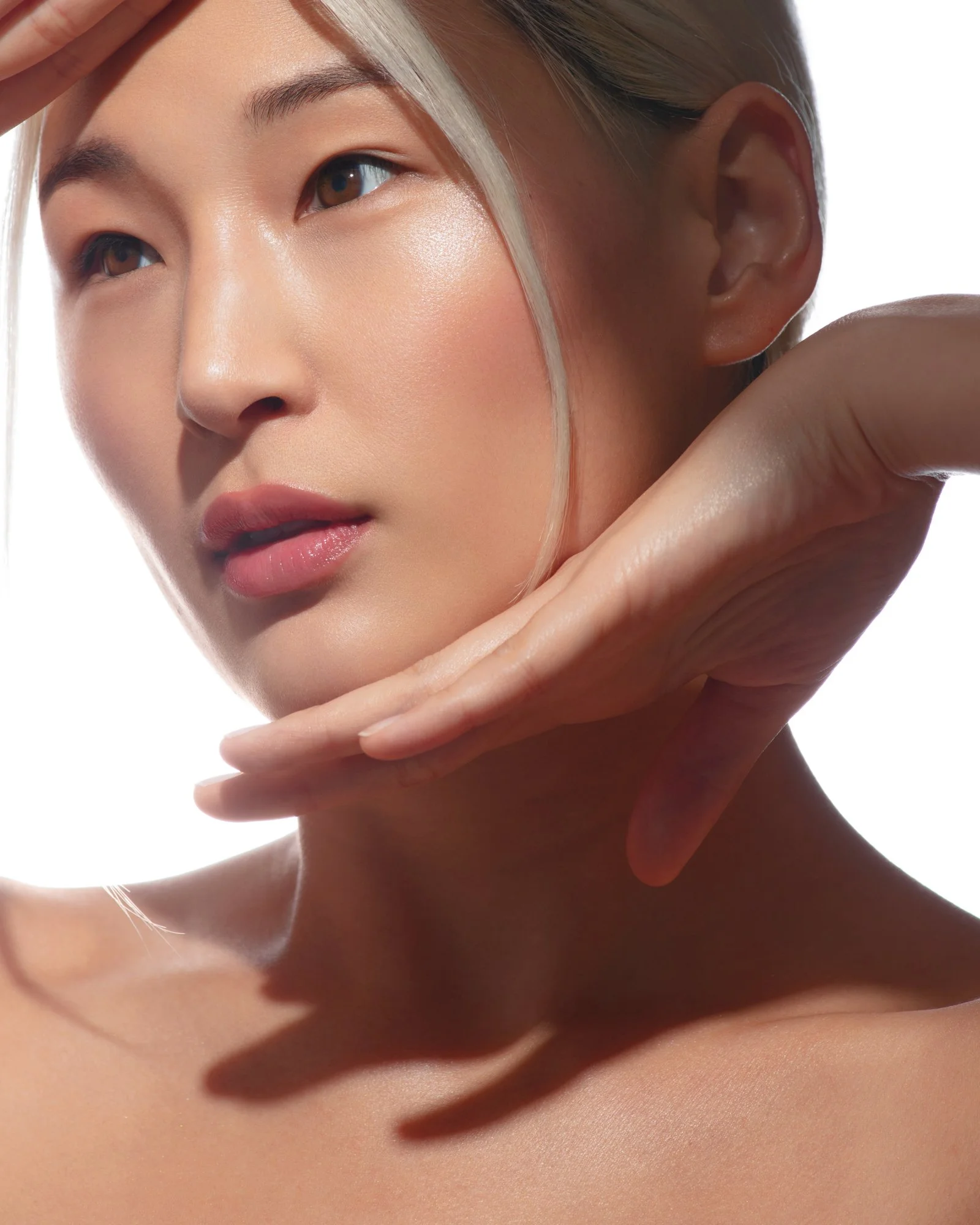
Skincare is one of the most visually driven industries in the world. Customers rarely have the chance to touch, smell, or test a product before buying it online. Because of this, product photography and video are some of the most important tools skincare brands have to communicate quality, texture, and effectiveness.

Whether a brand is launching a new serum, moisturizer, or mask, high-quality skincare visuals help customers understand the formula, imagine the experience of using it, and ultimately feel confident making a purchase.

This guide explains everything beauty brands should know about skincare product photography, video production, and visual content creation for modern ecommerce marketing.

Why Skincare Product Photography Matters

Unlike many other consumer products, skincare is deeply tied to sensory experience. Customers want to know:

• What does the formula look like?
• Is the texture thick, creamy, or lightweight?
• Does it look glossy or matte?
• How does it absorb into the skin?

Because online shoppers cannot physically interact with the product, photography and video must do the work of communicating the entire experience visually.

High-quality skincare imagery helps brands:

• increase ecommerce conversion rates
• build brand trust and credibility
• communicate product quality
• support advertising performance
• differentiate from competitors

In a crowded beauty market, the brands that invest in strong visuals often stand out immediately.

Types of Skincare Product Photography

There are several different styles of skincare photography used in beauty marketing. Each serves a specific purpose within a brand’s content strategy.

Ecommerce Product Photography

Ecommerce photography is the foundation of every skincare product page.

These images are typically clean and minimal, allowing customers to clearly see the packaging and labeling. Common formats include:

• front-facing product shots
• packaging detail images
• open product shots
• ingredient visuals

These images are usually displayed on product detail pages (PDPs) and help customers understand exactly what they are purchasing.

While simple in appearance, ecommerce images still require careful lighting to avoid harsh reflections on glass packaging and glossy labels.

Styled Skincare Photography

Styled product photography elevates the product visually by incorporating props, textures, and environments that support the brand’s aesthetic.

Examples of styled setups include:

• products surrounded by natural ingredients
• reflective glass surfaces
• marble or stone textures
• water droplets and liquid splashes

Styled photography helps communicate a product’s brand identity and ingredient story.

For example, a botanical skincare brand might feature products surrounded by plants or herbs, while a clinical skincare line might emphasize clean glass and laboratory-inspired visuals.

Texture Photography

Texture photography is one of the most important visual elements in skincare marketing.

These images highlight the actual formula of the product, showing details such as:

• serum droplets
• creamy swirls
• gel textures
• oil viscosity

Texture photography helps customers immediately understand the sensory qualities of the formula.

Because these shots require extreme detail, they are often created using macro lenses and specialized lighting techniques.

Editorial Beauty Photography

Some skincare campaigns also include editorial-style photography that feels more like fashion imagery.

These visuals may feature:

• dramatic lighting
• sculptural compositions
• artistic shadows
• luxury environments

Editorial skincare imagery is often used in:

• brand campaigns
• advertising
• magazine placements
• social media marketing

These images help position a skincare brand as luxury or aspirational.

Skincare Product Video: Why Motion Content Matters

While photography remains essential for ecommerce pages, video has become one of the most powerful tools in skincare marketing.

Video allows brands to show movement, texture, and application in ways that static images cannot.

For example, video can show:

• a dropper releasing serum
• cream spreading across skin
• product absorption
• glowing highlights on packaging

These visual moments help viewers quickly understand how the product behaves.

Short-form video has become especially important for platforms like:

• Instagram Reels
• TikTok
• Meta ads
• YouTube Shorts

Many skincare brands now create video content during product photoshoots to maximize production efficiency.

The Importance of Texture in Skincare Marketing

Texture is one of the most persuasive elements in skincare visuals.

Consumers are naturally drawn to satisfying, tactile imagery such as glossy liquids, creamy swirls, and smooth gel surfaces.

This is why many high-performing beauty ads feature:

• slow-motion serum drops
• spatulas scooping cream
• formulas spreading across glass or skin
• droplets rolling across packaging

These visuals communicate both luxury and efficacy, making the product feel more desirable.

Lighting Techniques Used in Skincare Photography

Lighting is one of the most important technical aspects of beauty photography.

Skincare packaging often includes:

• reflective glass
• metallic finishes
• glossy plastic surfaces

Without careful lighting control, these materials can create distracting reflections.

Professional skincare photography uses lighting techniques designed to:

• create soft highlights
• control reflections
• emphasize shape and texture
• make formulas appear luminous

Lighting setups may include diffused softboxes, reflectors, and specialized macro lighting tools.

The Role of Creative Direction in Beauty Photography

Successful skincare photography is not just about technical execution—it also requires strong creative direction.

Creative direction determines:

• color palettes
• textures and props
• background materials
• overall visual mood

For example:

A hydrating skincare line might use water elements and cool blue tones.

A botanical skincare brand might use plants, stones, and natural textures.

A luxury anti-aging brand might use black backgrounds and glossy reflections.

The goal is to create imagery that aligns with the brand’s positioning and target audience.

Content Skincare Brands Need for Product Launches

Launching a skincare product requires a wide range of visual assets.

Brands often underestimate how much content they need to support a launch across multiple marketing channels.

A strong skincare launch usually includes the following visuals.

Hero Campaign Images

Hero images are the primary visuals used to introduce the product.

These images often appear in:

• website banners
• email marketing
• social media campaigns
• digital advertisements

They typically feature dramatic lighting and strong visual composition to capture attention.

Ecommerce Product Images

These images appear on product detail pages and help customers evaluate the product before purchasing.

Typical ecommerce visuals include:

• packaging images
• ingredient highlights
• product-in-use imagery
• texture photography

These images provide clarity and information for shoppers.

Social Media Video Content

Short-form videos are critical for driving awareness and engagement during a launch.

These videos often include:

• texture clips
• product application moments
• routine demonstrations
• behind-the-scenes production footage

This type of content works particularly well for TikTok and Instagram.

Paid Advertising Content

Paid social advertising requires its own set of visuals optimized for fast engagement.

Effective skincare ads often include:

• macro product shots
• dramatic product motion
• glowing skin application moments

Ads are typically edited into short looping clips designed to capture attention quickly.

Choosing a Skincare Product Photographer

Selecting the right photographer is an important decision for beauty brands.

Skincare photography requires a specialized understanding of:

• cosmetic textures
• reflective packaging
• macro detail photography
• beauty lighting techniques

When evaluating photographers, brands should consider:

• experience working with skincare products
• ability to produce both photography and video
• understanding of beauty marketing
• portfolio quality and consistency

Working with someone who understands the unique visual challenges of skincare can significantly improve the final results.

Why High-End Skincare Visuals Drive Sales

In a crowded beauty market, customers are often comparing multiple products that claim similar benefits.

Visual presentation becomes a major differentiator.

Luxury skincare imagery can communicate:

• premium quality
• scientific credibility
• sensorial experience
• brand prestige

These cues influence how customers perceive the product—and whether they trust it enough to purchase.

Skincare Product Photography in Los Angeles

Los Angeles has become a major hub for beauty photography and advertising production.

Many skincare brands choose to produce their visuals in Los Angeles because of access to:

• experienced beauty photographers
• professional studios
• makeup artists and stylists
• creative directors and retouchers

This creative ecosystem allows brands to produce high-quality campaign visuals efficiently.

Final Thoughts

Skincare product photography is more than just documenting packaging—it is about communicating texture, experience, and brand identity through visuals.

From macro texture shots to cinematic product videos, the right imagery helps customers understand the formula, imagine using the product, and feel confident making a purchase.

As ecommerce and social media continue to shape the beauty industry, high-quality skincare visuals will remain one of the most important investments brands can make in their marketing strategy.

Previous
Previous

How to Prepare Skincare Products for a Photoshoot

Next
Next

Why Skincare Brands and Beauty Powerhouses Hire Courtney Dailey for Product Photography and Video