
Skincare Product Photography Shot List for Beauty Brands
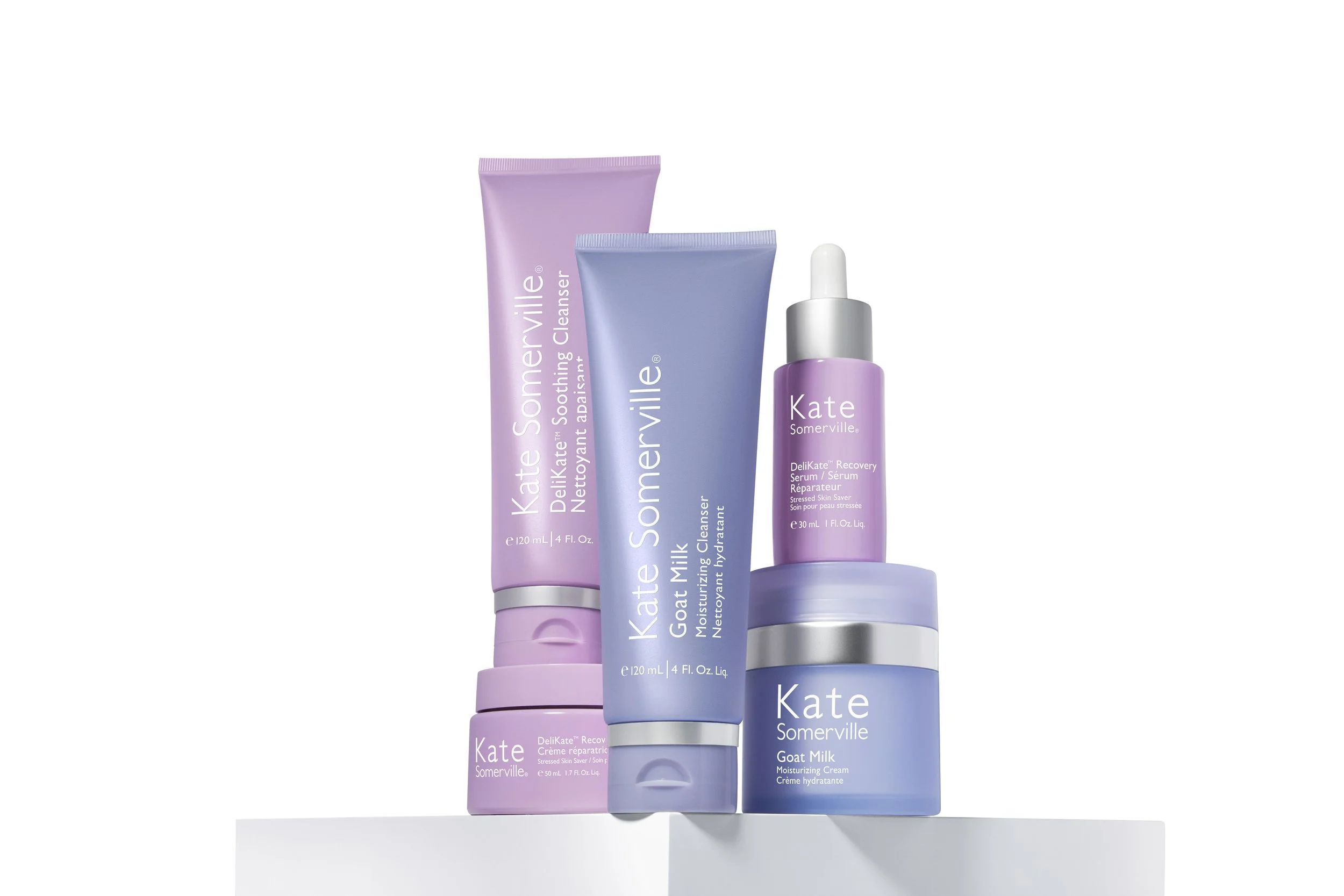
A good skincare photoshoot doesn’t start on set—it starts with a smart shot list. As a commercial beauty photographer, I use your shot list as our roadmap, making sure we capture everything you need for ecommerce, marketing, and social instead of guessing on the day.
Core Ecommerce Images
Your product page should answer questions at a glance. Most skincare brands need:
A clean, front-facing product image
Product with its outer packaging
Product without the cap or lid
Close-up label details
A scale or size comparison
These images build trust and reduce hesitation at checkout.
Hero Campaign Images
Hero images are your “billboard” moments. They often include:
More dramatic lighting
Stylized compositions
Strong backgrounds or textures
We use them on:
Website banners
Launch campaigns
Social media promotion
Hero visuals set the tone for how your launch feels in the world.
Texture and Formula Shots
Skincare lives and dies on texture. Texture photography is where we show off:
Cream swirls
Serum droplets
Gel ribbons
Oil reflections
These details help your customer imagine how the product feels on their skin. For more on how to prep formulas for this type of imagery, see “How to Prepare Skincare Products for a Photoshoot.”
Application and Routine Shots
Application imagery brings your product into real life:
Serum on skin
Cream spreading across hands or face
Droppers in action
These shots are perfect for education, step-by-step routines, and social storytelling.
Social and Motion Content
While we’re set up, it makes sense to capture content for short-form video too. That might look like:
Vertical clips
Macro texture videos
Simple product rotations
Satisfying liquid movements
These assets are built to work on TikTok, Instagram Reels, and paid social.
Ingredient Storytelling
If your ingredients are a key part of your positioning, we can highlight them visually:
Botanicals
Extracts
Oils and serums
Raw materials
Ingredient storytelling helps your audience connect what they see with what they’re putting on their skin.
If you’re planning a bigger launch, you might also want to read “What Content Do Beauty Brands Need for Product Launches?” to see how a shot list plugs into your full content ecosystem. And when you’re ready to turn that list into a real production, you can explore examples of my work and process on courtneydailey.com.